
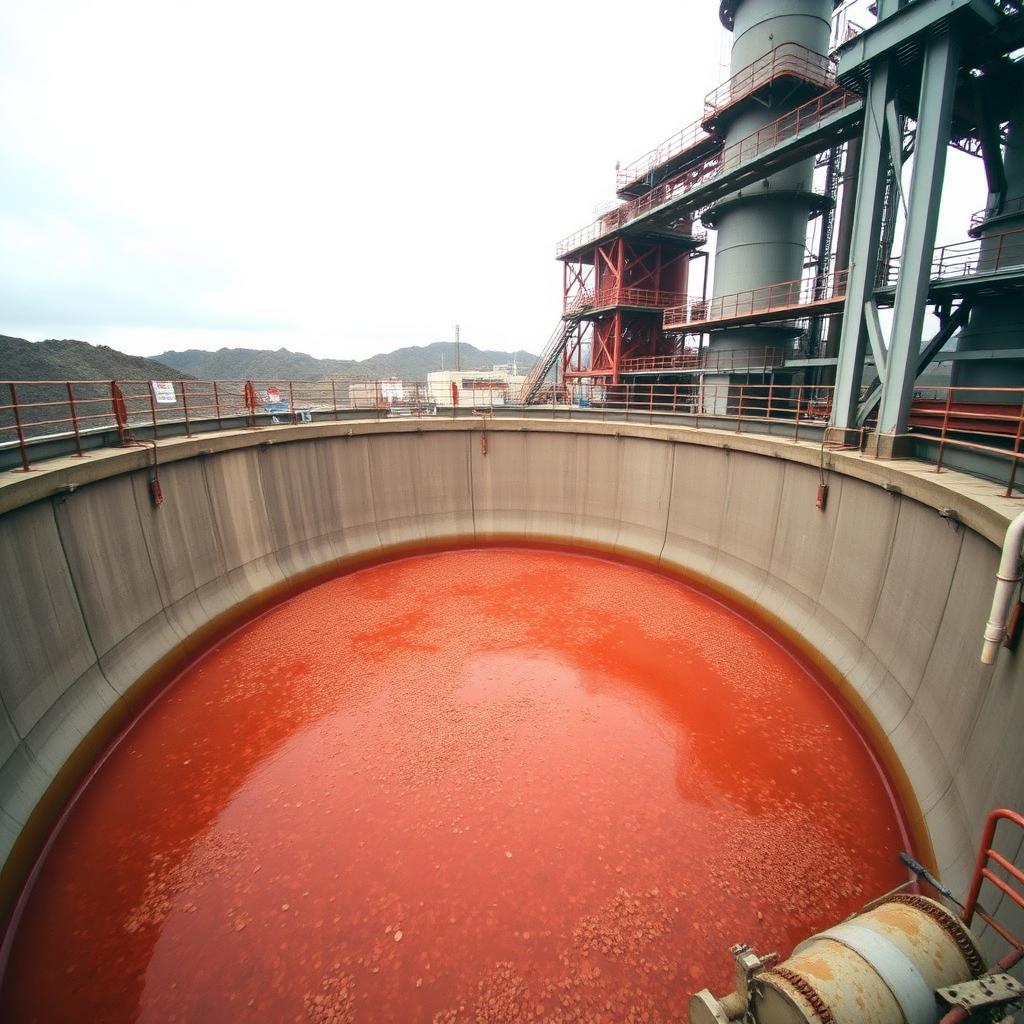
On this page
- There is no universal "best" grade — performance depends on the interaction of polymer + slurry + equipment.
- Molecular weight controls floc size and strength; charge density controls how the polymer grabs particles.
- Mixing energy, residence time and dose point can shift results as much as the polymer itself.
- A short jar test on 2–3 candidate grades reliably narrows the field before a plant trial.
Why performance varies plant to plant
Industrial flocculants and settling powders are not commodity products in the way many buyers first assume. Two plants that look similar on paper — same industry, similar throughput, similar equipment layout — can get noticeably different results from exactly the same grade. That is not a defect in the polymer; it is a reflection of how many variables actually influence flocculation.
The main levers are polymer properties (molecular weight and charge density), slurry properties (particle chemistry, pH, temperature, solids loading), and process conditions (mixing energy, residence time, dose point). Understanding each helps you pick a starting grade and, more importantly, know what to change if the first trial doesn't hit the mark.
Molecular weight
Molecular weight is one of the single most important variables for flocculation. Higher molecular weight grades — typically reported in the 15–20 million range for industrial APAM — produce longer polymer chains, which means stronger bridging and larger, denser flocs. The trade-off is longer dissolution time and higher solution viscosity, which can affect pumping and dosing accuracy.
Lower molecular weight grades dissolve faster and are easier to handle, but the flocs are smaller and settle more slowly. Many plants settle on a mid-to-high MW grade that balances floc strength with practical dissolution and dosing.
| MW range | Floc character | Typical use |
|---|---|---|
| Low (5–8 M) | Small, quick to form, easy to shear | Charge-driven coagulation aid, some effluent polishing |
| Medium (8–15 M) | Medium size, balanced strength | Centrifuge & belt press sludge dewatering |
| High (15–20 M) | Large, dense, fast-settling | Mineral thickeners, DCP, sand washing, iron ore |
Charge density
Anionic and cationic polyelectrolytes are sold in a range of charge densities, usually labelled as low, medium and high (or as a percentage of ionic groups on the chain). Charge density controls how strongly the polymer interacts with the suspended particles.
If the charge density is too low, the polymer does not neutralise particle charges effectively and flocs are weak. If it is too high, the polymer can over-charge the system and even re-stabilise the suspension — flocs break up, water clouds up again. The optimum is specific to the slurry's particle chemistry, and it is one of the main reasons jar testing across two or three charge densities is so valuable.
For biological ETP sludge start with a medium-to-high cationic. For most mineral thickeners start with a low-to-medium anionic. Adjust one step in either direction if flocs are too small (raise) or if supernatant is cloudy despite good flocs (lower).
Slurry chemistry and pH
Particle surface chemistry, pH, conductivity, and the presence of dissolved organics or inorganics all influence how a polymer behaves. A grade that performs beautifully in a paper mill clarifier may underperform in a mineral processing thickener simply because the underlying chemistry is different.
pH deserves special attention. Anionic polyacrylamide is generally most effective in the pH 6–9 range; cationic grades are usable across a wider window but their effective charge changes with pH. Very acidic or very alkaline slurries often call for a non-ionic grade or a coagulant + flocculant combination.
Temperature matters too — polymer solubility and viscosity change with temperature, which affects how the polymer disperses and reaches the particles. Cold winter feed water and hot process water both need attention on the make-up unit side.
Process conditions and equipment
Mixing energy at the dosing point, residence time in the floc tank, the design of the clarifier or thickener, and the underflow withdrawal rate all influence final performance. Too little mixing and the polymer cannot reach all the particles; too much and the flocs are torn apart.
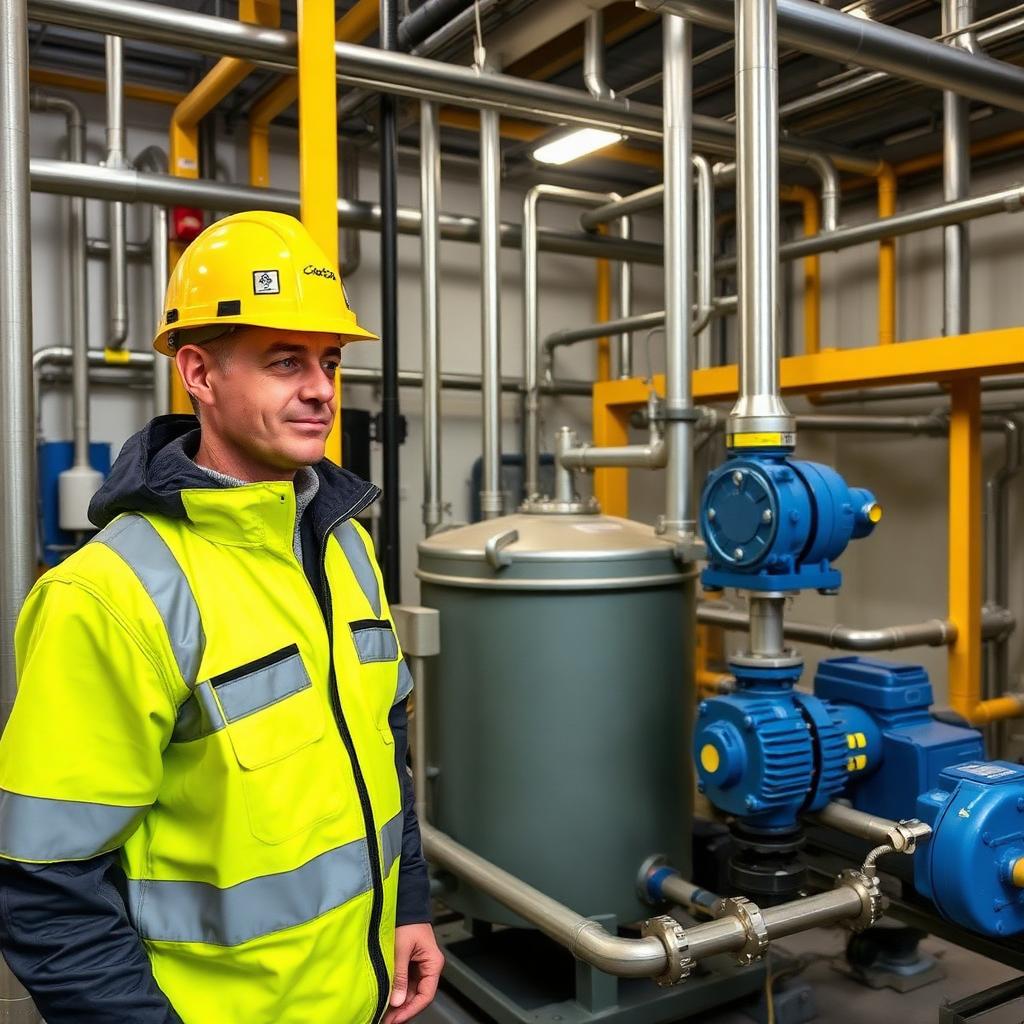
Enough to disperse solution through the slurry; not so much that formed flocs shear apart. Flash mixers are usually too aggressive for the polymer step.
Flocs need time to grow before settling. A well-sized floc tank ahead of the clarifier makes a bigger difference than most operators expect.
Dosing into a gentle, well-mixed zone gives the polymer chance to attach to particles before turbulence tears flocs apart.
Pulling underflow too fast lifts settled solids back into the clarifier; too slow and the bed becomes over-compacted and rat-holes.
This is a big reason two plants treating an outwardly similar slurry can still see very different results from the same product — the equipment and operating practice are part of the equation.
Solids loading and dose rate
Dose rate is normally expressed as grams of active polymer per tonne of dry solids, or in ppm of slurry volume. There is a window for every system below which performance collapses and above which extra polymer adds cost without benefit. Identifying that window — and how sensitive it is to solids swing — is the practical purpose of a trial.
| Application | Typical active dose |
|---|---|
| Clarifier / thickener (mineral) | 1–5 g/m³ of slurry, or 20–80 g/tonne dry solids |
| Sludge dewatering (belt / centrifuge) | 3–10 kg/tonne dry solids |
| DAF (paper / food effluent) | 1–3 mg/L (0.1% solution) |
| Paper mill retention | 100–500 g/tonne of paper |
Values are typical ranges from flocculant technical literature — always confirm working dose by jar test and plant trial.
Quick grade selection matrix
A simple starting point when picking a candidate grade for a jar test:
| Slurry type | Suggested chemistry | MW / charge |
|---|---|---|
| DCP / phosphate slurry | Anionic (APAM) | High MW / low–medium charge |
| Coal / iron ore thickener | Anionic (APAM) | Very high MW / medium charge |
| Sand washing / ceramic | Anionic (APAM) | High MW / low charge |
| Biological ETP sludge | Cationic (CPAM) | High MW / medium–high charge |
| Paper mill retention | Cationic (CPAM) | Ultra-high MW / low–medium charge |
| Tannery / textile effluent | Cationic (CPAM) | Medium MW / high charge |
This matrix is a starting point for a jar test — not a final recommendation. Slurry chemistry, feed variability and equipment design can push the answer in either direction.
The practical approach
There is rarely a single "best" grade for all applications. The most reliable approach is to short-list two or three candidate grades based on the slurry type, run a quick jar test to compare floc formation and settling, and then confirm at plant scale with a small bulk trial (typically a single 25 kg bag) before committing to a regular order.
- Describe the slurry — process, source, approximate solids %, pH, temperature and existing product (if any).
- Short-list 2–3 candidate grades — usually varying one step in MW or charge from the technical starting point.
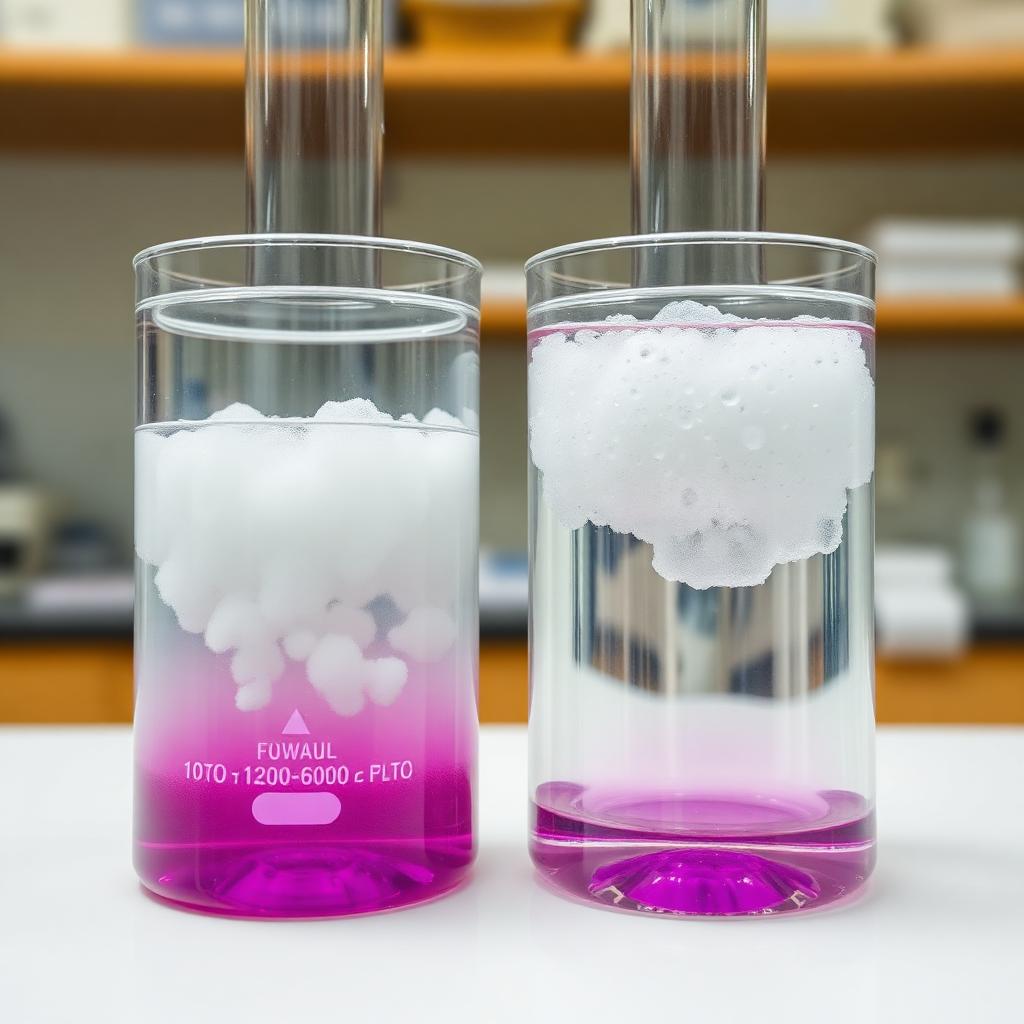
- Run a jar test — compare floc formation time, settling velocity, supernatant clarity and sludge compaction.
- Confirm with a plant trial — lock in the grade and working dose before scaling to regular supply.
We are happy to discuss the application, suggest grades commonly used in similar processes, and arrange sample support for evaluation.
Frequently asked questions
Why does the same flocculant give different results in two similar plants?+
Because 'similar' plants rarely have identical slurry chemistry, mixing energy, residence time and dosing points. Two paper mills running the same furnish can still see very different retention because their headbox chemistry, white-water loop and dosing location differ. This is why matching a grade to your specific plant — not just your industry — matters.
Is a higher molecular weight always better?+
No. Higher molecular weight (15–20 million range) gives stronger bridging and larger flocs, but also longer dissolution time and more viscous solution — harder to pump and dose accurately. For fast dewatering on a centrifuge you often want a mid-range MW; for slow gravity settling of a mineral slurry you usually want the higher end.
Can charge density be too high?+
Yes. If charge density exceeds the amount needed to neutralise particle charge, the system can become over-charged and the particles re-stabilise — flocs break down and the water clouds up again. This is why jar testing across 2–3 charge densities is more reliable than always picking the highest.
Does temperature affect polymer performance?+
Yes. Polymer viscosity, dissolution rate and chain stability all vary with temperature. Cold water slows dissolution and can leave un-hydrated polymer; water above ~40 °C accelerates polymer degradation. Most plants dose with dilution water at 20–30 °C for consistent results.
How many candidate grades should I trial?+
Two to three is usually enough. Start with one grade that is a technical match for the chemistry and one that is a step higher or lower in molecular weight or charge density. This narrow band catches most of the useful variation without wasting sample material or lab time.
Struggling to nail down the right grade?
Share a short description of your slurry and current product — we'll suggest 2–3 candidate grades and arrange samples so you can jar test them side by side.
Educational content only. All values shown are typical industry ranges from flocculant technical literature — confirm working grade and dose by jar test on your own slurry.