
On this page
- Flocculants aggregate fine particles into settleable flocs using charge neutralisation + bridging.
- APAM (anionic) — inorganic mineral slurries, DCP, coal, iron ore, paper mill inorganics.
- CPAM (cationic) — organic and biological sludges, ETP dewatering, paper retention.
- A short jar test on your own slurry is the fastest way to confirm the right grade.
What is a flocculant?
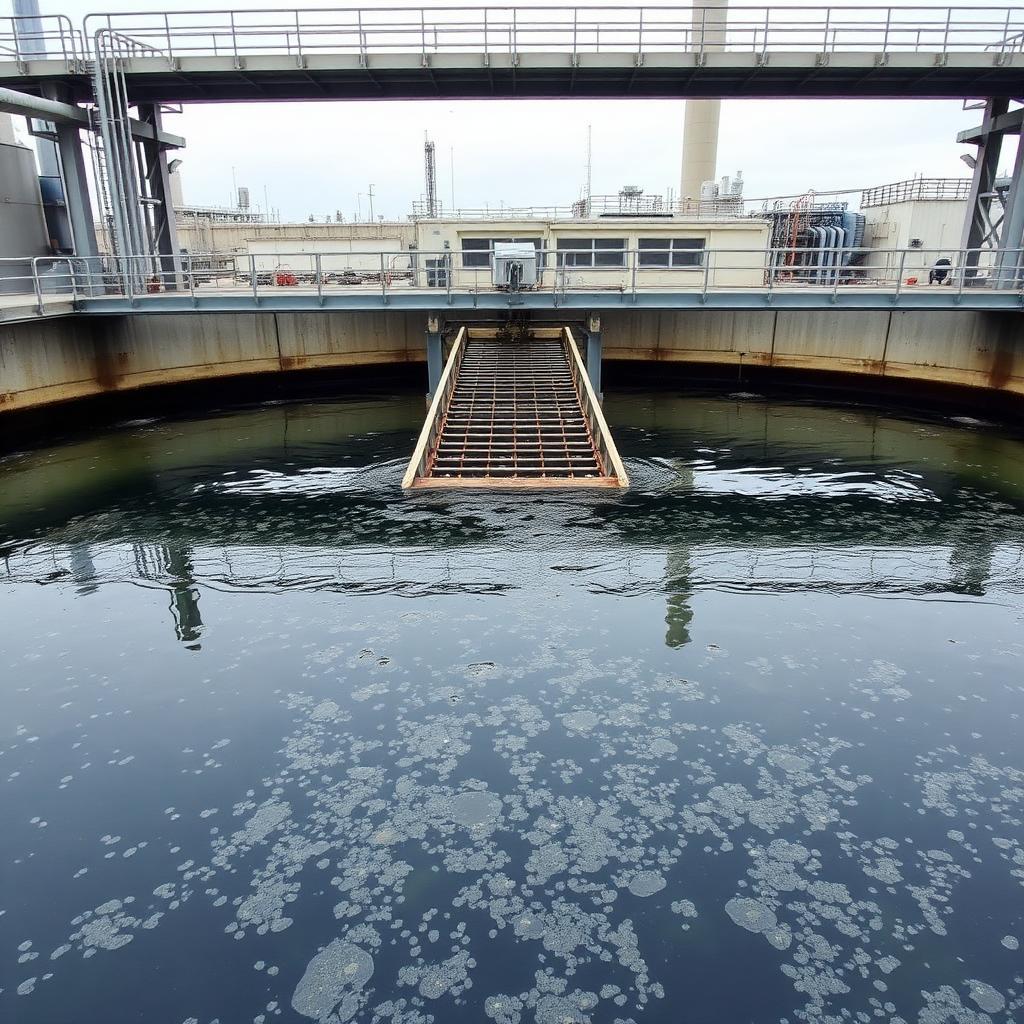
An industrial flocculant is a high molecular weight polymer that promotes the aggregation of fine suspended particles into larger flocs. Once formed, these flocs are far easier to separate from the liquid phase by settling, flotation, centrifugation or filtration.
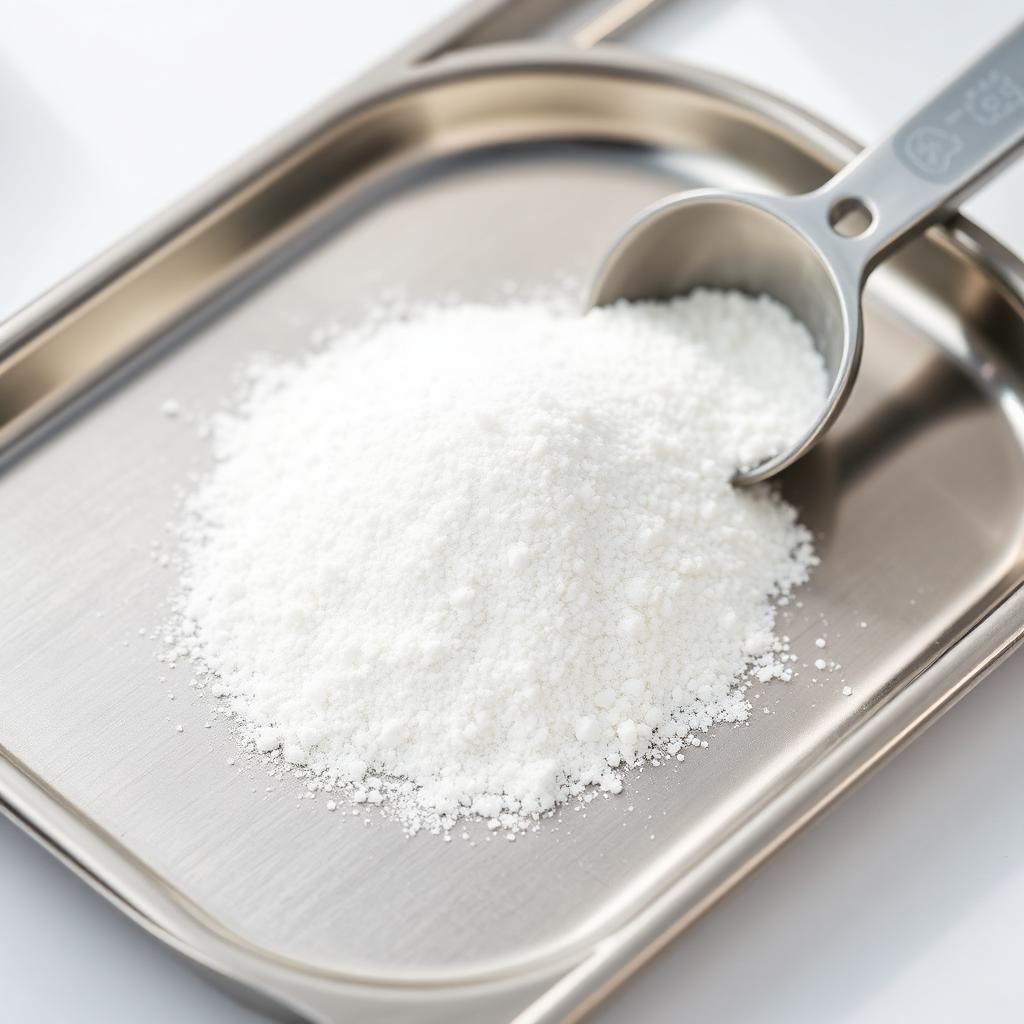
Most modern industrial flocculants are polyacrylamide (PAM) based. They are supplied either as a dry granular powder (the most common form for industrial use) or as an emulsion / solution for specific applications. In Indian plants they are commonly called polyelectrolyte, settling powder or simply "poly".
How flocculation actually works
Two mechanisms are typically at work. The first is charge neutralisation — the polymer's ionic charge neutralises the opposite charge on suspended particles, reducing the electrostatic repulsion that keeps them dispersed. The second is bridging — long polymer chains physically attach to multiple particles at once and pull them together into larger aggregates.
Effective flocculation almost always depends on both mechanisms. This is also why molecular weight, charge density and dosing all matter so much in practice — a mismatch on any of them can leave polymer un-utilised and floc formation weak.
Anionic polyelectrolyte (APAM)
Anionic polyacrylamide — APAM — carries a negative charge. It is typically supplied as a white granular powder with very high molecular weight (commonly reported in the 10–20 million range) and is available in a spread of charge densities from low to high anionic.
APAM is generally well suited to mineral processing slurries — DCP and phosphate settling, coal washeries, iron ore beneficiation, sand and aggregate process water, ceramic slurries — and to paper mill applications where the suspended solids are positively charged or where strong inorganic clarification is also taking place.
- • DCP (di-calcium phosphate) slurry clarification
- • Iron ore, coal washery and mineral thickeners
- • Sand washing plants and quartz slurry
- • Ceramic and tile plant recycle water
- • Paper mill white water with inorganic loading
Cationic polyelectrolyte (CPAM)
Cationic polyacrylamide — CPAM — carries a positive charge and is used most commonly where suspended particles are negatively charged, which is the case in almost all organic and biological systems.
Typical applications include sludge dewatering on belt presses, decanter centrifuges and filter presses; effluent treatment of organic-rich streams; paper mill retention and drainage; and tannery, textile and food-processing effluent. CPAM is available in low, medium and high charge densities — the right one depends on the sludge or effluent chemistry.
- • Biological ETP / STP sludge dewatering (belt / centrifuge / filter press)
- • Paper mill wet-end retention and drainage
- • Tannery and textile effluent (colour + TSS)
- • Food and dairy effluent with organic loading
- • Slaughter-house and rendering wastewater
APAM vs CPAM — side by side
| Attribute | APAM (Anionic) | CPAM (Cationic) |
|---|---|---|
| Ionic charge | Negative | Positive |
| Target particles | Positively-charged / inorganic minerals | Negatively-charged / organic & biological |
| Typical molecular weight | 10–20 million | 8–15 million |
| Typical dose range | 1–5 g/m³ slurry | 2–10 g/kg dry solids (for sludge) |
| Common industries | Mining, DCP, sand, ceramics, paper (inorganic) | ETP sludge, paper retention, food, tannery |
| Cost per kg | Generally lower | Generally higher |
Values are typical industry ranges published in flocculant technical literature — confirm with a jar test for your slurry.
How to choose the right grade
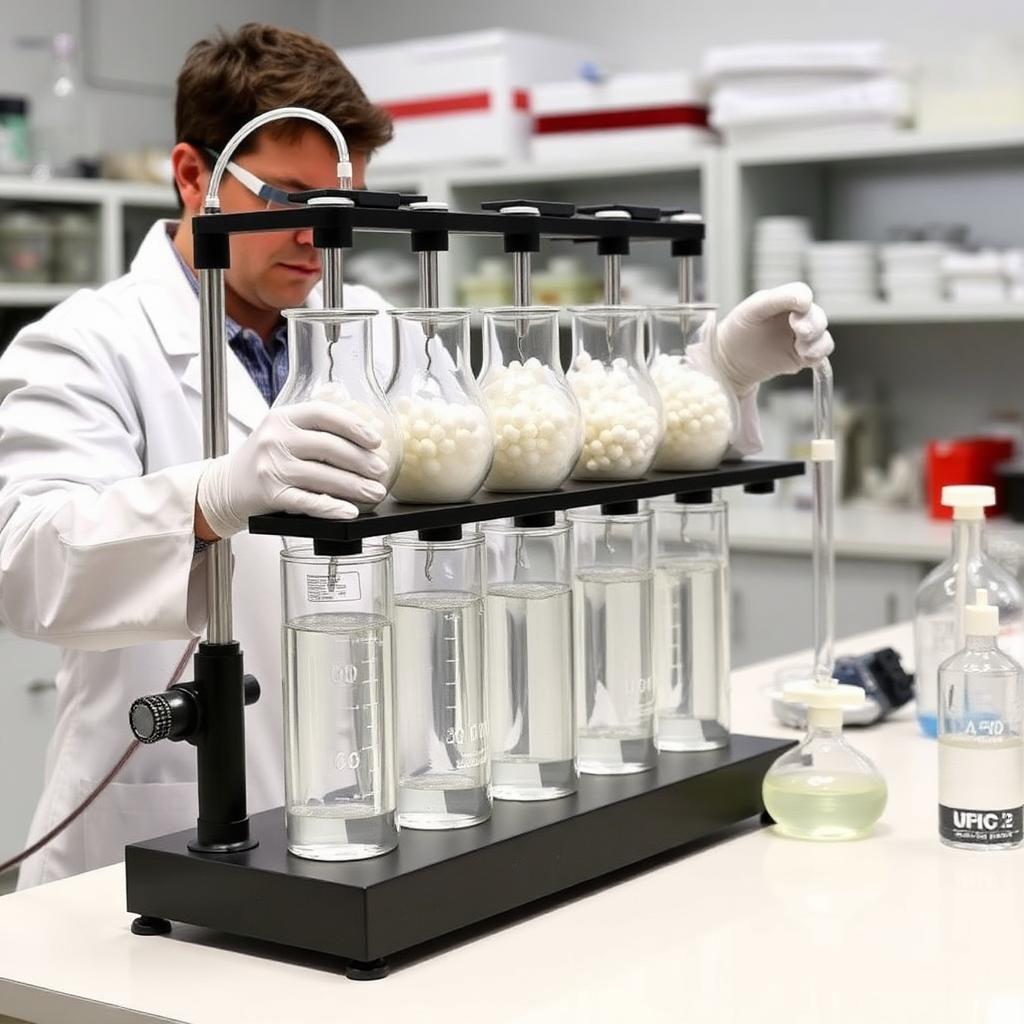
As a simple starting point: inorganic mineral slurries usually respond better to anionic grades, while organic and biological sludges usually respond better to cationic grades. Real industrial streams rarely fit neatly into one category though — which is why a short jar test with both an APAM and a CPAM candidate is the most reliable way to confirm the right choice before bulk supply.
- Describe the slurry — process, source, approximate solids %, pH and existing product (if any).
- Short-list 2–3 candidate grades — usually one anionic and one cationic if the slurry chemistry isn't clear-cut.
- Run a jar test — compare floc formation time, settling velocity, supernatant clarity and sludge compaction.
- Confirm with a plant trial — a single 25 kg bag at plant scale is usually enough to lock in the grade and working dose.
Make-up and dosing basics
For both APAM and CPAM, correct solution preparation matters as much as picking the right grade. Fish-eyes, over-strength solutions or aggressive mixing all waste polymer and hurt performance.
Prepare a 0.1% to 0.3% stock solution — 1 to 3 kg of powder per 1000 L of clean water. Stronger solutions become too viscous to dose accurately.
Slow-stir for 30–60 minutes so the long polymer chains fully uncoil before dosing.
Add into a well-mixed but gentle zone. Flash mixers shear the flocs apart; dead zones leave polymer un-utilised.
Use clean, low-hardness water below 40 °C. Hot or hard water accelerates polymer degradation.
- • Wrong charge chemistry — dosing APAM into a biological sludge or CPAM into a mineral slurry rarely works well.
- • Over-dosing — beyond the optimum, extra polymer wastes cost and can re-stabilise the suspension.
- • Skipping ageing — using solution before the chains uncoil cuts effective molecular weight.
- • Storing prepared solution over 24 hours — activity drops noticeably.
Sourcing flocculant in India
Industrial flocculant in India is typically supplied in 25 kg HDPE laminated bags with an inner PE liner. For plants running continuously, consistency of supply, lead time and after-sale technical discussion usually matter more than headline price alone.
Standard documentation includes tax invoice, e-way bill, transporter LR and a packing list; MSDS and Certificate of Analysis are available on request. Shree Brahmani Trading supplies both anionic and cationic polyelectrolyte grades to plants across Maharashtra, Rajasthan, MP, Karnataka, Tamil Nadu, Andhra Pradesh, Telangana, UP, West Bengal and Delhi-NCR — with sample support available for evaluation.
Frequently asked questions
Is polyelectrolyte the same as flocculant?+
In practical industrial usage, yes. 'Polyelectrolyte' refers to the charged polymer chemistry (anionic or cationic polyacrylamide), while 'flocculant' describes what it does — brings fine particles together into settleable flocs. The terms are used interchangeably in most Indian plants.
How do I know if I need anionic or cationic?+
A quick rule of thumb: inorganic mineral slurries (mining, DCP, ceramics, sand washing) usually need anionic (APAM). Organic and biological sludges (ETP sludge, paper mill sludge, food effluent) usually need cationic (CPAM). A short jar test with one candidate from each family confirms the answer for your specific slurry.
What is molecular weight and why does it matter?+
Molecular weight is a measure of how long the polymer chains are. Industrial flocculants typically fall in the 8–20 million range. Longer chains bridge more particles at once and form larger, denser flocs — but they also take longer to dissolve and produce more viscous solutions. Most plants settle on a mid-to-high MW grade that balances performance with practical handling.
What does 'charge density' mean on a data sheet?+
Charge density is the percentage of ionic groups on the polymer chain, usually reported as low (10–20%), medium (25–40%) or high (>40%). Higher charge density gives stronger interaction with oppositely charged particles — useful for tough sludges — but going too high can over-neutralise and re-stabilise the suspension.
How is flocculant packed and supplied in India?+
Standard packaging is 25 kg HDPE laminated bags with an inner PE liner. Dispatch is by road transport from Gujarat with lead time depending on quantity and destination. Documentation typically includes tax invoice, e-way bill, transporter LR, and MSDS or COA on request.
Not sure whether APAM or CPAM fits your plant?
Tell us about your slurry — we typically suggest 2–3 candidate grades and arrange samples for jar testing before any bulk commitment.
Educational content only. All dose and molecular-weight ranges are typical industry figures reported in flocculant literature — confirm by jar test on your own slurry before bulk commitment.