
Industrial Settling Powder Solutions
Industrial settling powder solutions for clarification, separation and process support applications.
- Educational solutions hub
- Anionic, Cationic & DCP options
- Sample evaluation support
- Pan-India inquiry support
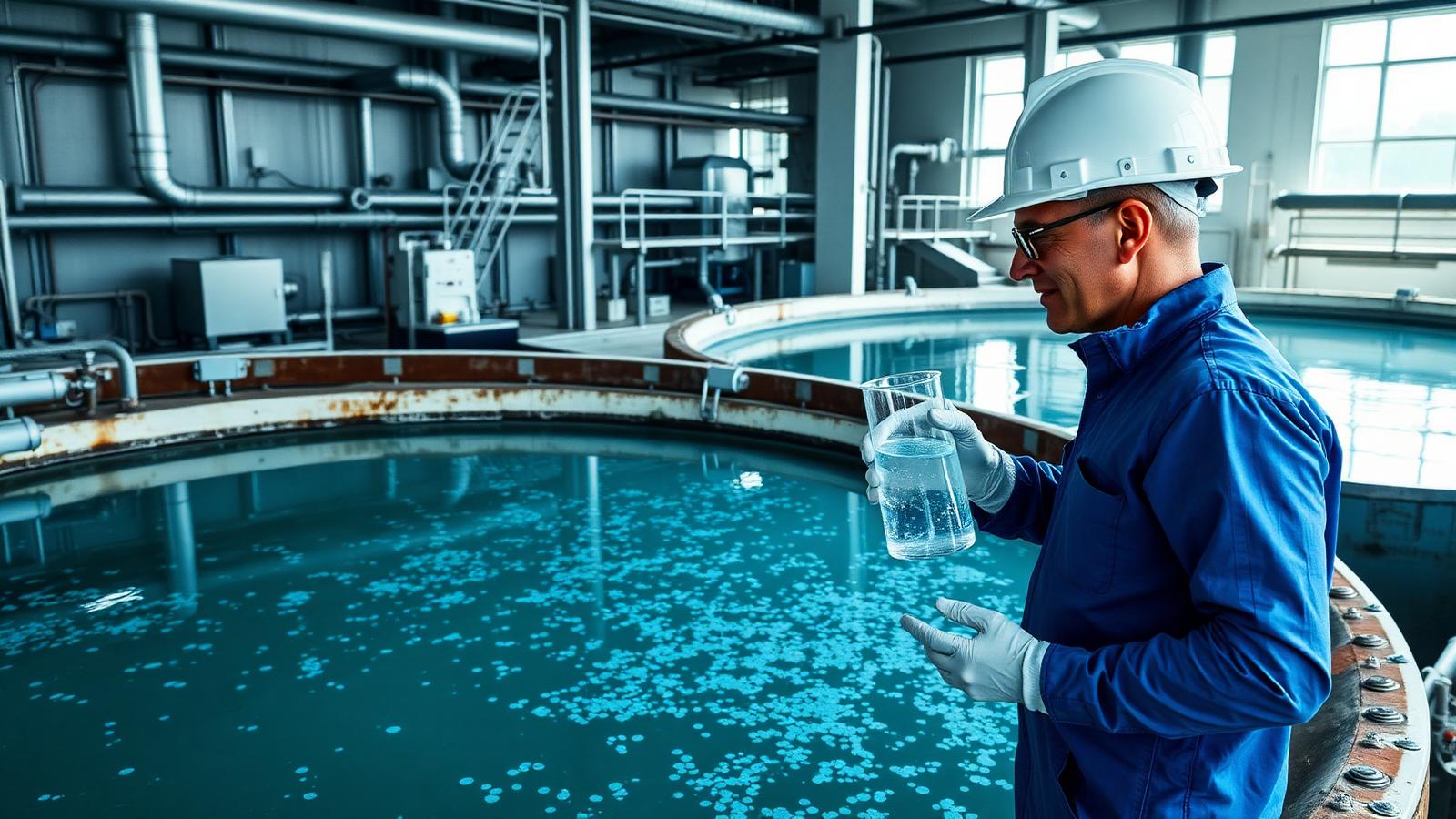
What are industrial settling powders?
Industrial settling powders are powder-form products used to assist clarification, settling and separation processes across a wide range of industrial applications. They sit inside a larger process — clarifier, thickener, settling tank or dewatering circuit — and act as a process aid rather than as an end product.
The term covers several different chemistries. Some are polyacrylamide-based polymers carrying a negative or positive ionic charge; others are application-specific settling solutions developed for a particular industry such as DCP (Di-Calcium Phosphate) manufacturing. The right category and grade depends on the process conditions, water chemistry and nature of the suspended solids involved.
Because plant conditions vary, no single settling powder is suitable for every application. This page is structured as an educational resource — to help industrial buyers, plant operators and procurement teams understand how the different categories relate to each other and which product family is most likely to be relevant for their requirement.
Understanding different solution types
Industrial settling applications may use different categories of products depending on requirements. The three families below cover the most commonly considered options. Each is available in multiple grades and is positioned for different application chemistries.
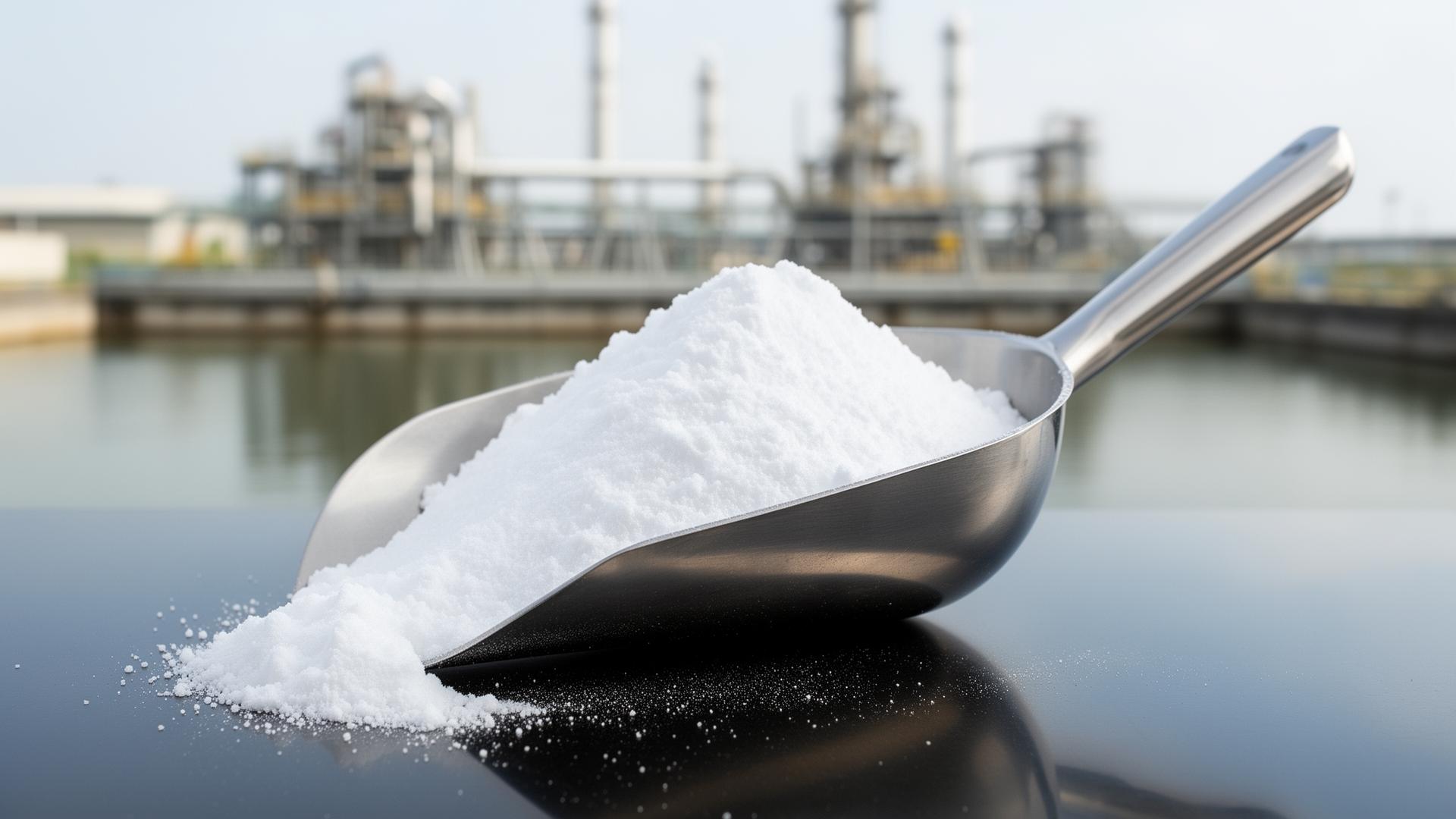
Anionic Polyelectrolyte
Industrial polymer commonly used in clarification and separation applications — typically considered for inorganic and mineral-bearing suspended solids.
Learn More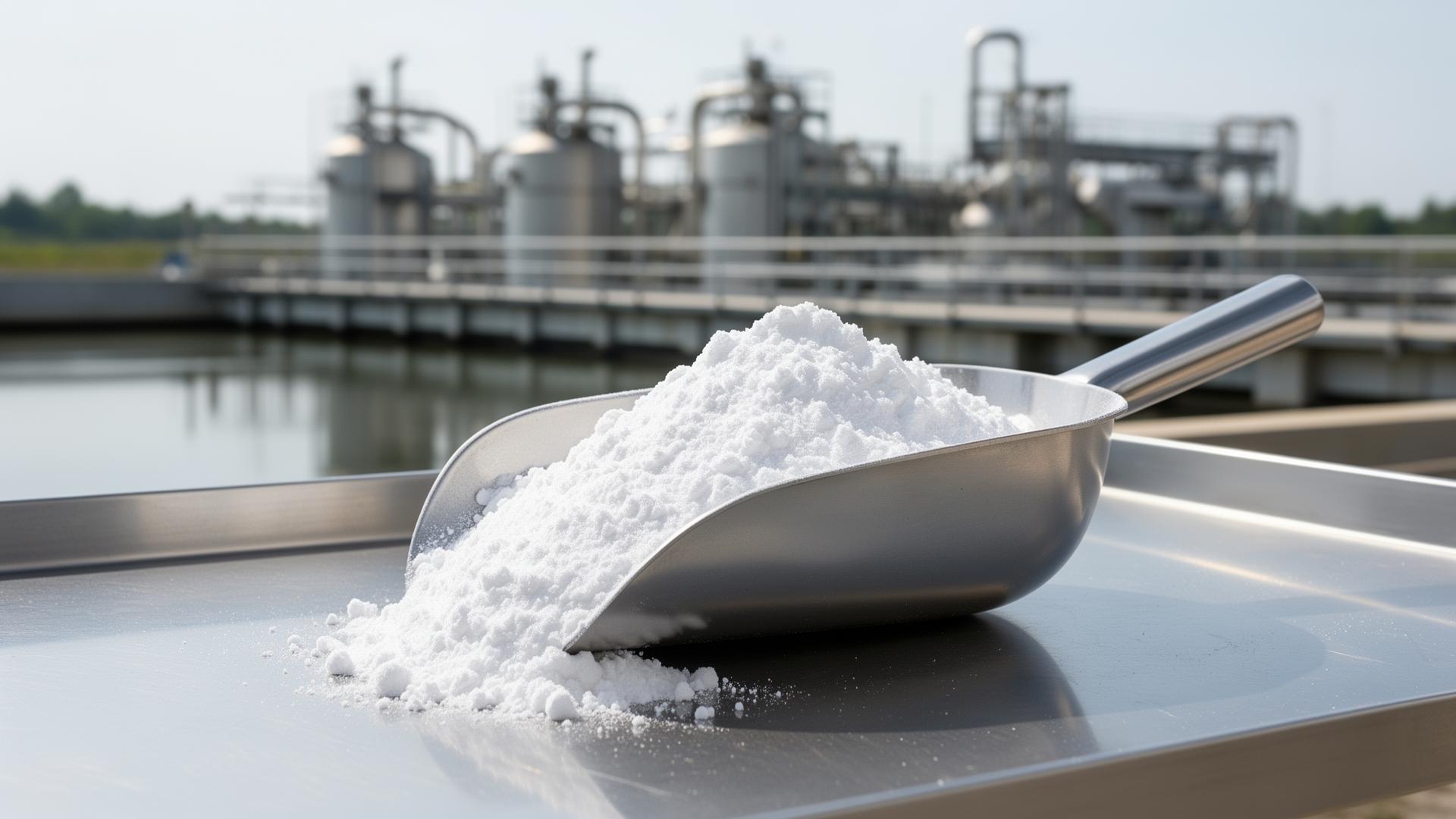
Cationic Polyelectrolyte
Industrial polymer used in various settling and process support applications — commonly considered where suspended solids are organic or biologically derived.
Learn More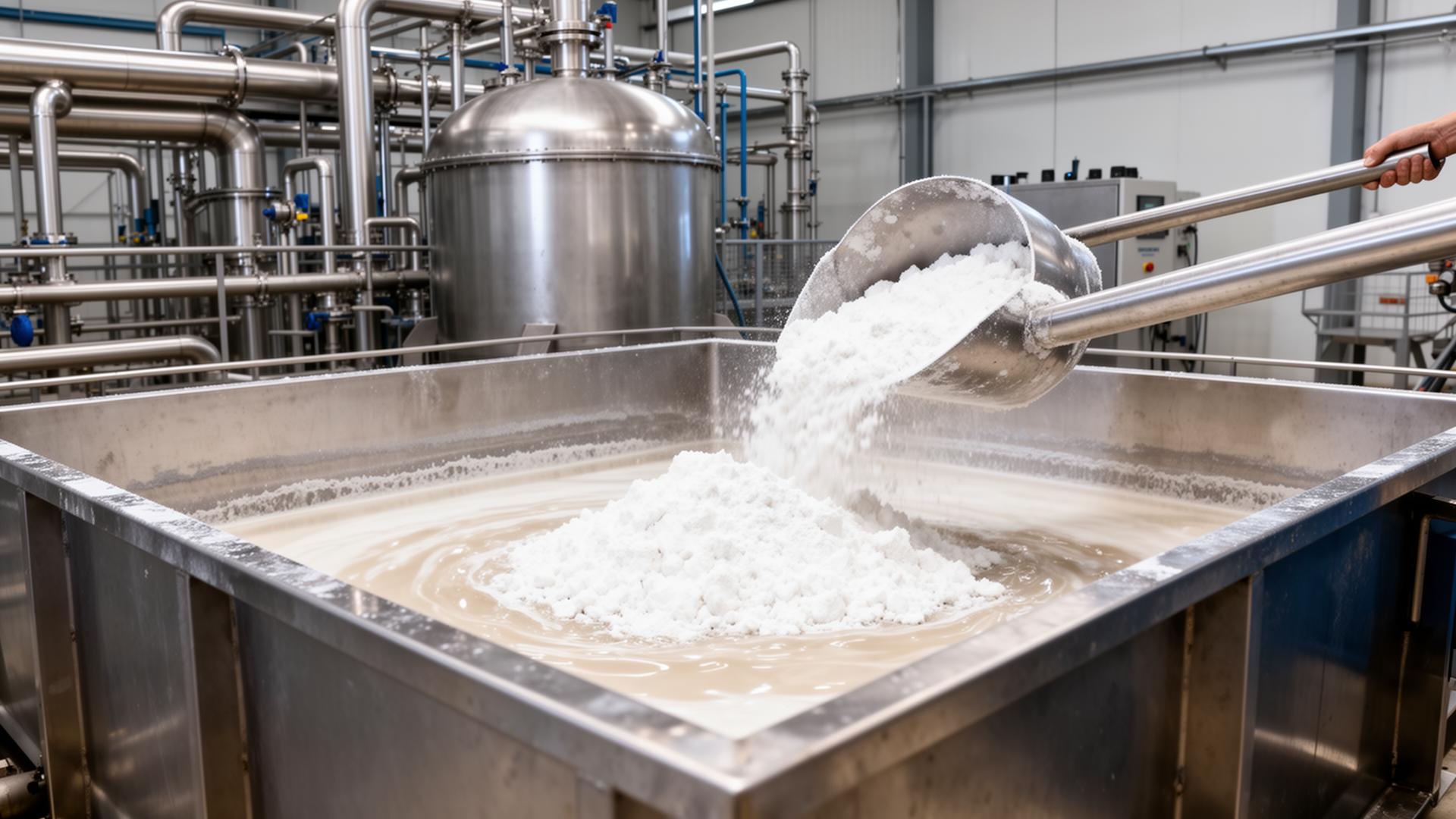
DCP Slurry Settling Agent
Application-focused settling solutions for DCP (Di-Calcium Phosphate) slurry processing and related phosphate manufacturing requirements.
Learn MoreHow product selection is determined
Different settling applications may require different products. The first step is usually identifying the right product family — anionic, cationic or an application-specific settling agent — followed by grade selection within that family. We treat this as a structured discussion rather than a fixed recommendation.
Product discussions and sample evaluation may help identify suitable options. Where useful, candidate grades can be trialled so that final selection is based on observed behaviour in the customer's own process rather than on generic specifications. We deliberately avoid guaranteed-outcome marketing — performance depends on plant-level conditions.
For a deeper view of polymer-based options, see our Industrial Flocculants hub. For an application-specific settling solution, see the DCP Slurry Settling Agent page.
Selection typically depends on
Process conditions
Reactor or tank design, residence time, temperature, mixing energy and dosing point
Water chemistry
pH, conductivity, hardness, presence of competing ions and dissolved organics
Solids characteristics
Nature of suspended solids (organic / inorganic / biological), size distribution and surface charge
Industry requirements
Industry-specific quality, throughput and process expectations driving the separation step
Operating parameters
Equipment type (clarifier, thickener, settling tank, dewatering unit) and operational stability requirements
Where industrial settling powders are considered
Industrial settling powders are considered across a wide range of process industries. The list below covers common application areas — it is not exhaustive, and suitability for any specific plant depends on application-level discussion and sample evaluation.
Paper Mills
Used in retention, drainage and white water clarification — typically with cationic-type products selected for the specific furnish and equipment.
Industrial Clarification Processes
Considered in clarifier, settling tank and lamella separator operations where supernatant clarity and consistent overflow quality are part of the process requirement.
Mineral Processing
Applied in thickener and clarifier circuits handling fine mineral particles, where anionic-type grades are often considered for inorganic suspended solids.
Chemical Manufacturing
Used at clarification and separation stages within chemical plants handling fine inorganic or organic solid loads in process and effluent streams.
Process Separation Applications
Considered across solid–liquid separation steps in continuous and batch processes — including thickening, settling and primary clarification.
DCP Processing Applications
Used as a process aid in DCP manufacturing and related phosphate processing operations where fine particle settling is part of the process flow.
We do not claim universal suitability across all industries or plants. Product and grade selection should always be confirmed for the specific application.
Why different products exist
Different settling challenges may require different chemistry. The nature of the suspended solids, the surrounding water chemistry and the equipment in use all influence which product family is most likely to be relevant. Multiple solution categories exist because real-world processes are not uniform.
Some applications may use anionic products, while others may use cationic products. Specific industries — such as DCP manufacturing — may rely on application-specific settling solutions developed for that process context.
Product selection therefore depends on process requirements, not on a one-size-fits-all answer. Treating selection as a discussion — and validating with sample evaluation where appropriate — generally produces a more reliable outcome than choosing on specification alone.
Anionic chemistry
Negatively charged polymer, commonly considered for inorganic and mineral-bearing systems.
Cationic chemistry
Positively charged polymer, commonly considered for organic or biologically derived solids.
Application-specific
Settling solutions developed for particular industry contexts, such as DCP slurry processing.
Multiple grades
Each family is available in multiple grades varying in charge density, molecular weight or intended use.
Frequently Asked Questions
What is industrial settling powder?
+
Industrial settling powder is a general term for powder-form products used as process aids in clarification, settling and separation operations. The category covers different chemistries — including anionic polyelectrolyte, cationic polyelectrolyte and application-specific products such as DCP slurry settling agent — each suited to different process conditions.
How is product selection determined?
+
Product selection is treated as an application-specific discussion. We typically start by understanding the process — feed characteristics, water chemistry, equipment in use and operational objectives — and then suggest one or more candidate products and grades. Final selection is best confirmed once trial behaviour is observed in the actual process.
What is the difference between anionic and cationic products?
+
Both are polyacrylamide-based polymers but carry opposite ionic charges. Anionic products carry a negative charge and are generally considered for mineral and inorganic systems. Cationic products carry a positive charge and are commonly used where suspended solids are organic or biologically derived — such as in paper mill operations or sludge handling. The correct choice depends on the application and is usually confirmed by sample evaluation.
Can different industries require different grades?
+
Yes. Even within the same industry, two facilities can require very different grades because of differences in raw materials, water chemistry, equipment and operating practice. Multiple grades exist precisely because no single grade suits every plant.
Is sample evaluation available?
+
Yes. Because performance depends on plant-specific conditions, we encourage sample evaluation before bulk supply. Sample availability and dispatch arrangements are confirmed on inquiry based on the application, requirement and customer location.
What industries use settling products?
+
Industrial settling products are used across paper mills, mineral processing, DCP and phosphate processing facilities, chemical manufacturing units and a wide range of industrial clarification and separation applications. The specific product and grade considered depends on the application.
Can product performance vary between applications?
+
Yes. Performance depends on operating conditions, equipment, dosing arrangement and feed characteristics, all of which vary between plants. For this reason we avoid guaranteed-outcome claims and instead focus on sharing relevant product options and supporting sample evaluation.
Discuss your settling application
Share a few details about your process and our team will revert with relevant options across Anionic Polyelectrolyte, Cationic Polyelectrolyte and DCP Slurry Settling Agent — along with sample evaluation discussion where useful.
Contact: Ratilal J. Patel
Location: Mehsana, Gujarat, India
Email: shreebrahmanitrading91@gmail.com
Request Information
Tell us about your application — our team will revert with relevant settling powder options.